




































Stickman Hook
What Is Stickman Hook?
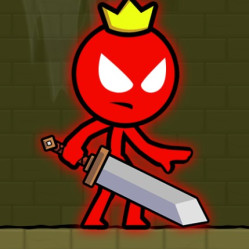
Stickman Hook is a physics based platformer with a high pace. You control a stickman who uses a grappling hook to swing through levels full of obstacles. Gameplay is simple to learn, yet surprisingly skillful to master. Players jump from point to point, building up momentum, avoiding hazards, and trying to get to the finish line as quickly and smoothly as they can.
The game became popular because of its:
- Easy one-touch gameplay
- Satisfying swinging physics
- Bright, playful visuals
- Quick levels that are hard to stop playing
How to Play Stickman Hook
Your mission is to swing through each level and reach the checkered finish line.
Here’s the basic gameplay loop:
- Tap or hold to attach your hook to anchor points.
- Swing forward to build momentum.
- Release at the right moment to fly through the air.
- Avoid spikes, walls, and awkward falls.
- Bounce on pads and keep your speed going.
As levels progress, you’ll encounter:
- Moving hooks
- Trampolines
- Faster momentum sections
- Tight timing challenges
- Trickier obstacle layouts
Success depends heavily on rhythm and timing.
Controls Guide
Mobile
Tap / Hold → Attach hook and swing
Release → Let go and launch forward
PC / Browser
Left Mouse Button or Spacebar → Hook onto points
Release button → Detach and fly
The controls are intentionally minimal, which makes the physics the main challenge.
Advanced Tips & Tricks
Build Momentum Early
Longer swings usually create more speed. Try to start your pendulum motion smoothly instead of making tiny swings.
Release Before the Peak
A common beginner mistake is releasing too late. Let go slightly before the highest point for better forward momentum.
Use Bounce Pads Aggressively
Bounce pads can launch you much farther than expected if you hit them with speed.
Don’t Hook Every Point
Sometimes the fastest route is skipping hooks entirely and flying past sections.
Watch Your Arc
Think about your movement like a pendulum. Small adjustments to timing can completely change your trajectory.
Stay Calm on Difficult Levels
Later stages often look chaotic, but they usually have a smooth rhythm once you learn the flow.